Beginning
The 2026 Porsche 911 GT3 RS is the ultimate track-focused Porsche for 2026 in the USA. It has decades of racing DNA in it and makes every lap an adrenaline rush. This isn't just another 911; it's the most extreme road-legal GT3 RS yet. It has a huge downforce, a loud naturally aspirated flat-six engine, and handling that makes you feel like a pro driver.
The GT3 RS shines in the US, where there are wide-open highways, twisty canyon roads in California, and tracks like Laguna Seca or VIR. It's not for everyone, and it's expensive and hard to get, but for serious fans who want to beat their lap times and drive as cleanly as possible, it's the best.
We'll talk about the important specs, the price in the US, the performance on the track (including records at the Nürburgring), handling secrets, and why the waitlist hype is worth it in this Review of the 2026 Porsche 911 GT3 RS Let's get started.
The 2026 Porsche 911 GT3 RS's engine and powertrain form its core.
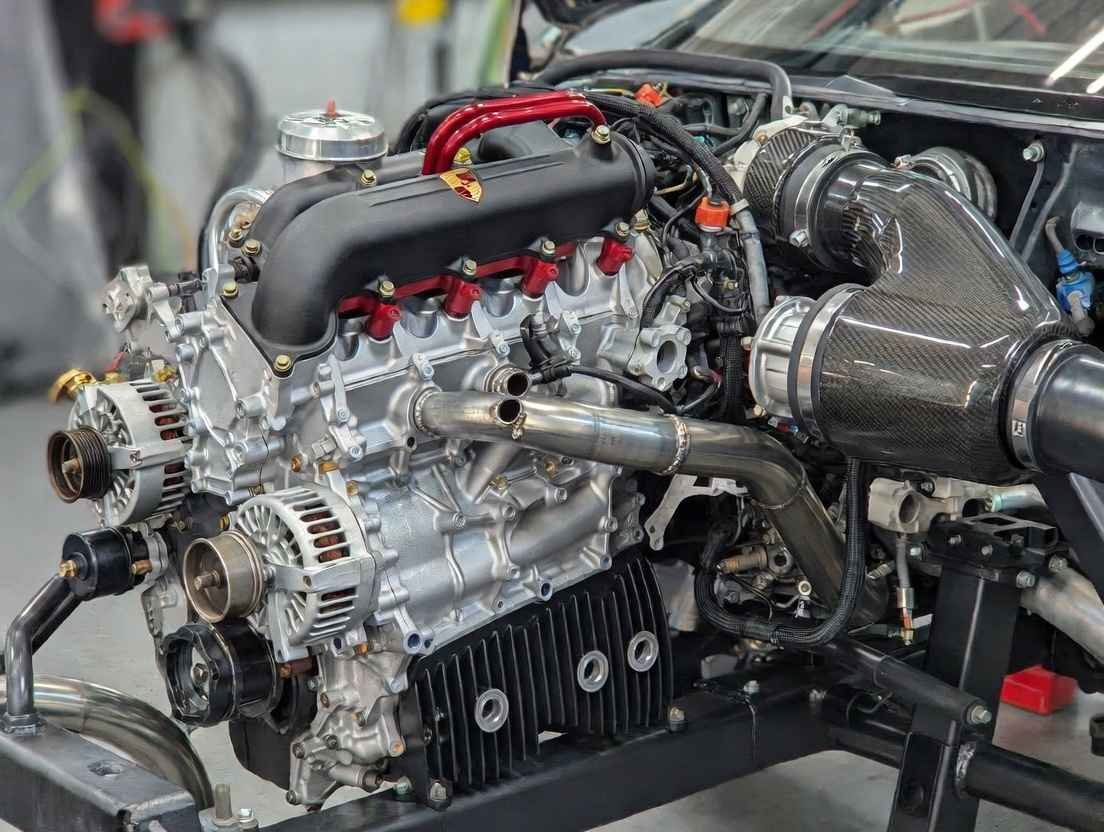
The 2026 Porsche 911 GT3 RS has a 4.0-litre naturally aspirated flat-six engine at its heart. There are no turbos or hybrids, just pure, high-revving mechanical magic. It has 518 horsepower (a little more than older models because of better cam profiles) at 8,500 rpm and 342 lb-ft of torque at 6,300 rpm. The red line? A beautiful 9,000 rpm.
This engine is from Porsche's GT racing program. It has separate throttle bodies, titanium connecting rods, and a lightweight crankshaft. The sound is addictive; it's a raw, mechanical wail that builds to a peak like nothing else on the road.
The 7-speed PDK dual-clutch gearbox only sends power to the back wheels (there's no manual here—the RS is made for track use, so it needs to shift quickly). Launch control sends it from 0 to 60 mph in about 3.0 seconds, and its top speed is about 184 mph (aero limits drag). In the US, where straight-line speed is important on highways and drag strips, the torque delivery feels instant and explosive.
The RS has hotter cams and better intake/exhaust than the standard GT3, which gives it more power—enough to feel the difference on the track.
Aerodynamics and downforce: the weapon of the track
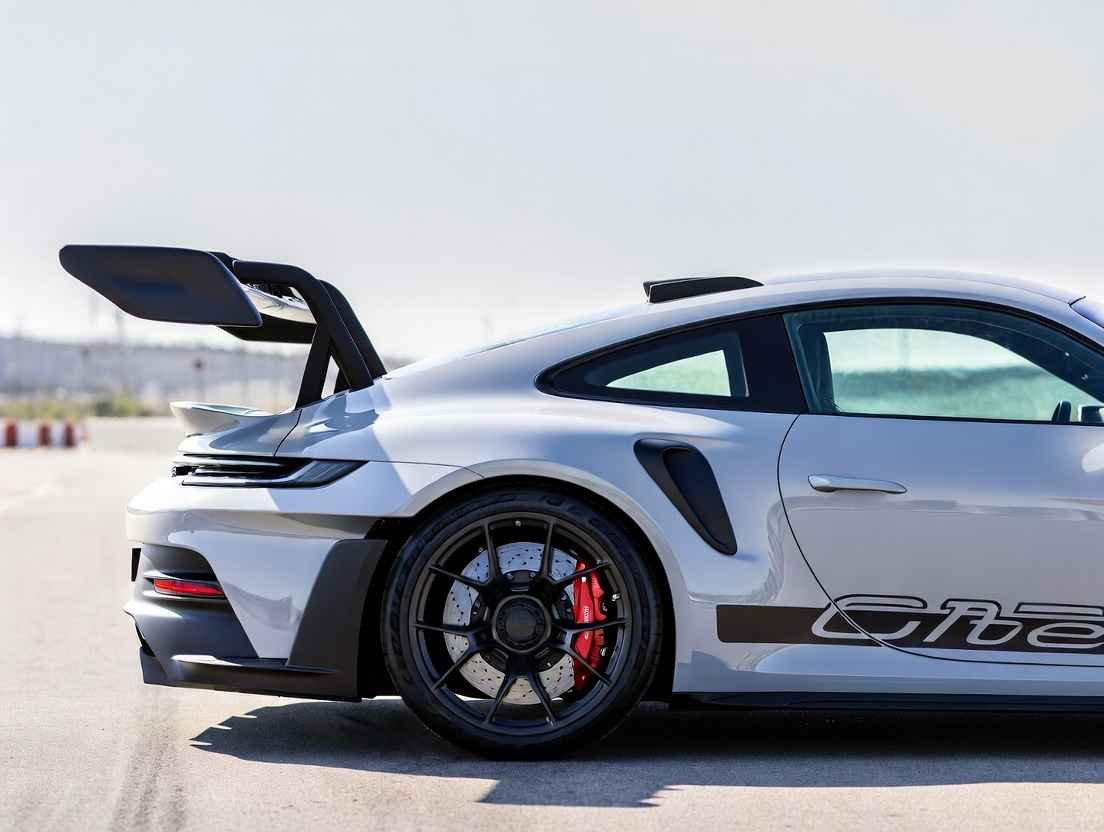
The 2026 GT3 RS boasts a unique appearance that is well-deserved. The huge swan-neck rear wing, active front louvres, and DRS (Drag Reduction System)-style adjustable parts create insane downforce: up to 860 kg at 177 mph (almost twice as much as the last generation). At lower speeds, it turns down to reduce drag and improve top-end performance.
This means that you can drive with confidence at high-speed turns like the Corkscrew at Laguna Seca or Road Atlanta in the United States. The front splitter and underbody aero create a ground-effect suction that keeps the nose down. The engineers at Porsche tuned it for real-world tracks, not just numbers on paper.
Chassis, suspension, and how the car handles: Precision as Sharp as a Razor
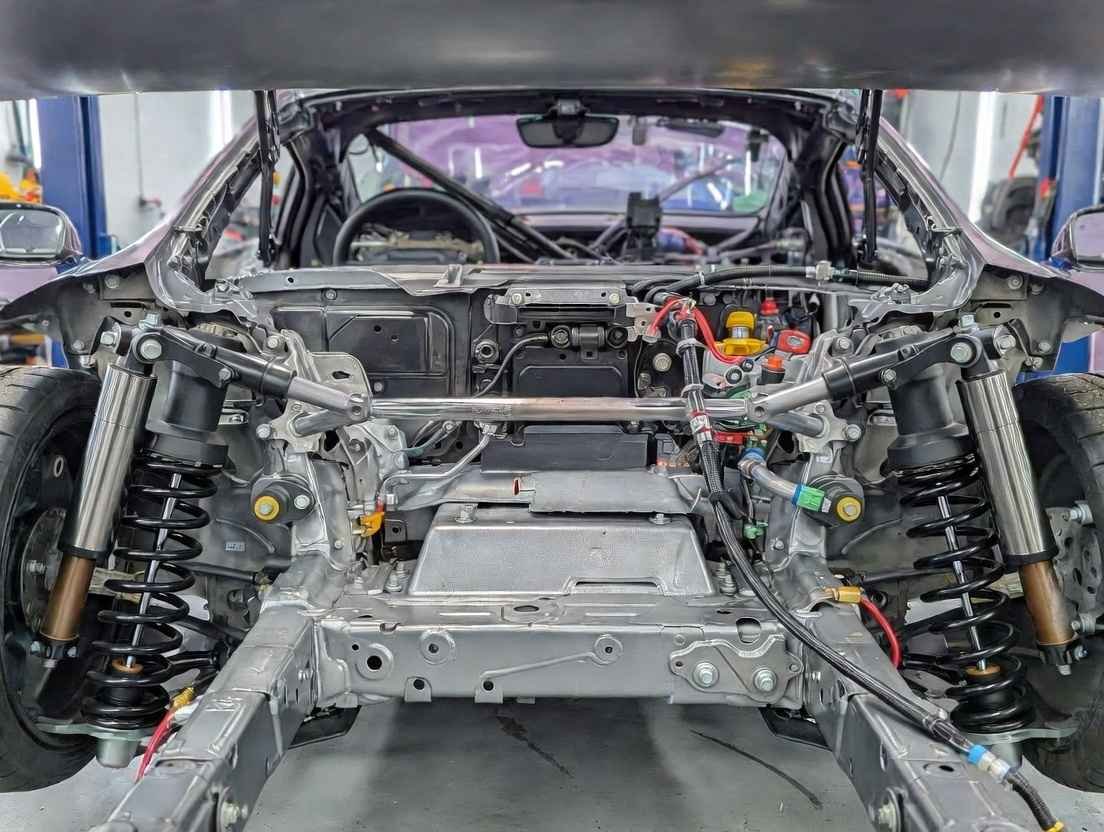
The GT3 RS has a wider track, double-wishbone front suspension (which is a big improvement over the old struts), rear-axle steering, and adaptive dampers. The Michelin Pilot Sport Cup 2 R tires (or the optional Cup 2) give you crazy grip.
Steering is telepathic, direct, heavy, and full of feedback. The brakes are huge PCCB (Porsche Carbon Composite Brake) carbon-ceramics that don't fade lap after lap, and while they are optional, they are recommended for track use.
The RS feels alive on US tracks because it can change direction quickly, has little body roll, and has clear limits. Thanks to torque vectoring and electronic aids, you can dial back the power, which makes it more forgiving than you might think for such an extreme car.
Track Performance: Nürburgring and More
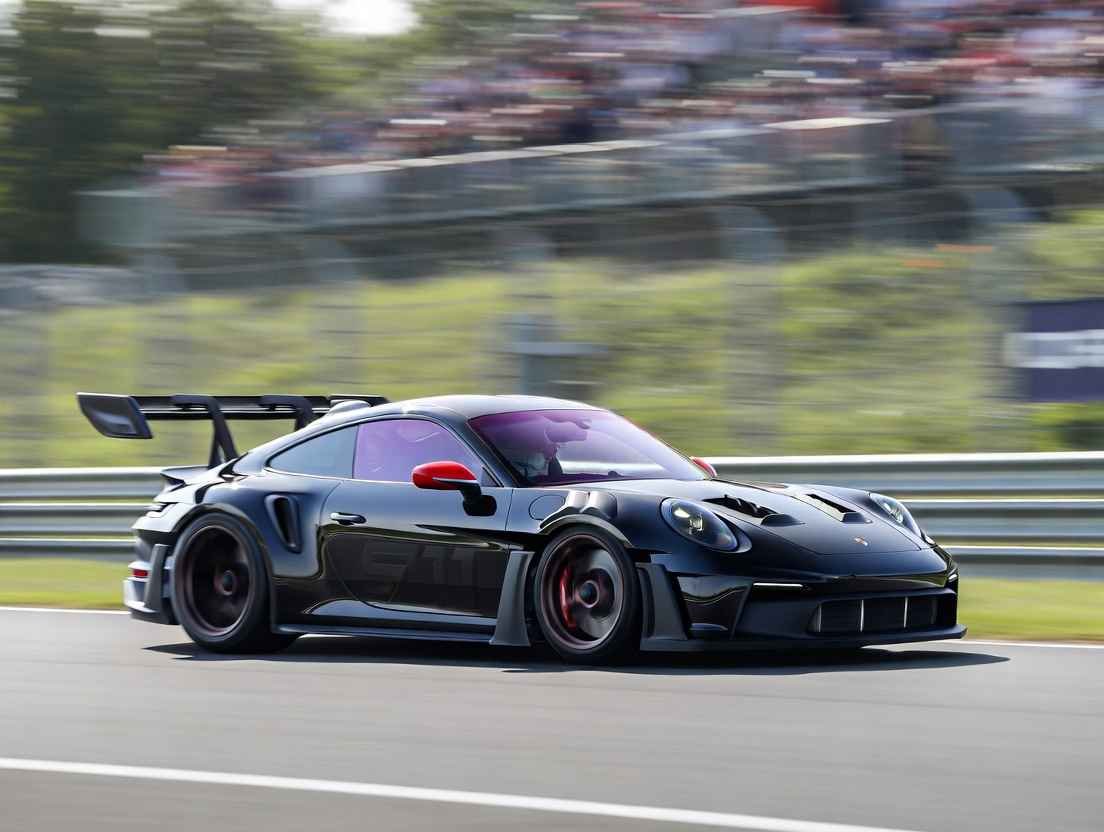
The 2026 Porsche 911 GT3 RS excels at the Nürburgring. The 992-generation GT3 RS (which will still be strong in 2026) lapped the Nordschleife in 6:44.848 minutes, which is one of the fastest times ever for a production car. That is faster than many supercars that have twice as much power.
People in the US love the lap times at VIR (Virginia International Raceway), Laguna Seca, and Road America. With a good setup, you can expect laps of less than 2:00 at VIR Full Course. The tires and aero make it stick like glue. You can push harder lap after lap because the brakes don't fade and the handling stays the same.
Price and availability in the US
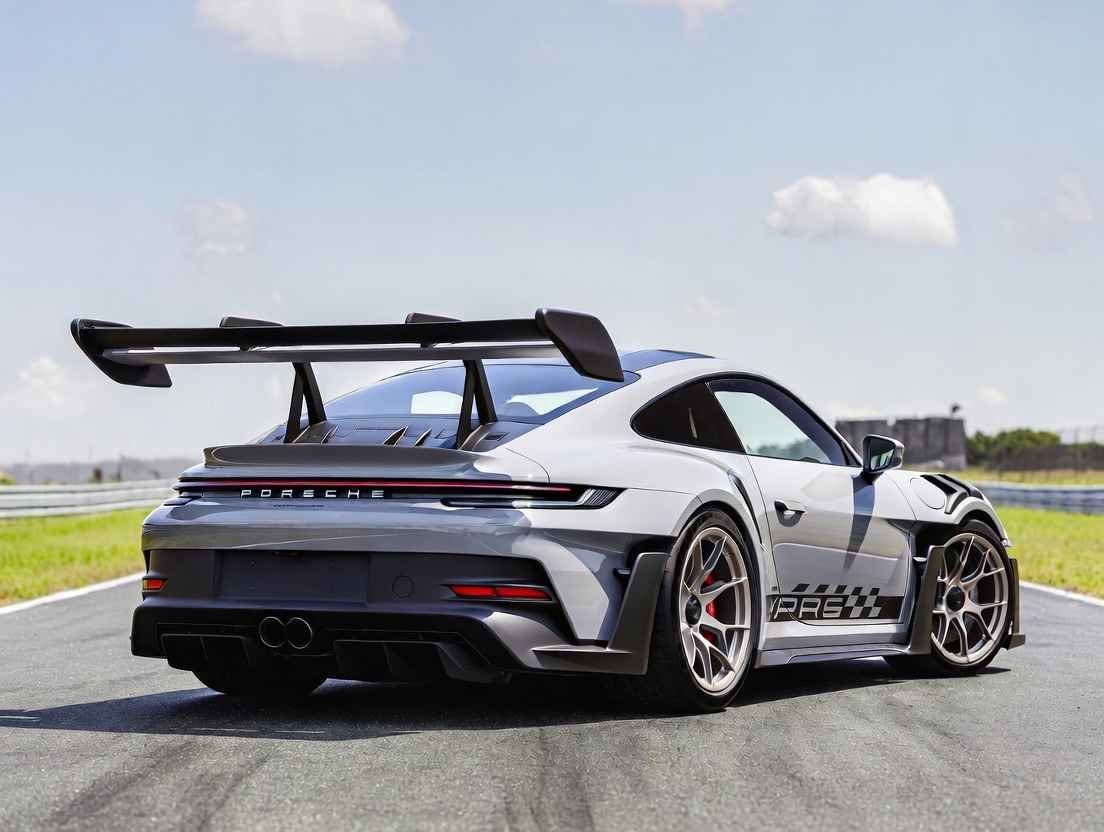
In the US, the base price for the 2026 Porsche 911 GT3 RS is around $250,000 (before options). Expect to pay between $280,000 and $350,000 for a fully loaded car. It's common for dealers to add extra costs and make you wait for your car. Many of them cost more than $300,000.
The Weissach Package (which includes carbon bits and lighter weight), magnesium wheels, and PCCB brakes are just a few of the options that quickly add up. In the US market, it's a halo car because it was made in small numbers, which makes it very desirable and valuable when sold.
The GT3 RS is worth more than competitors like the Corvette ZR1 or McLaren Artura, and it offers the best driver engagement.
How the inside looks and how easy it is to use every day
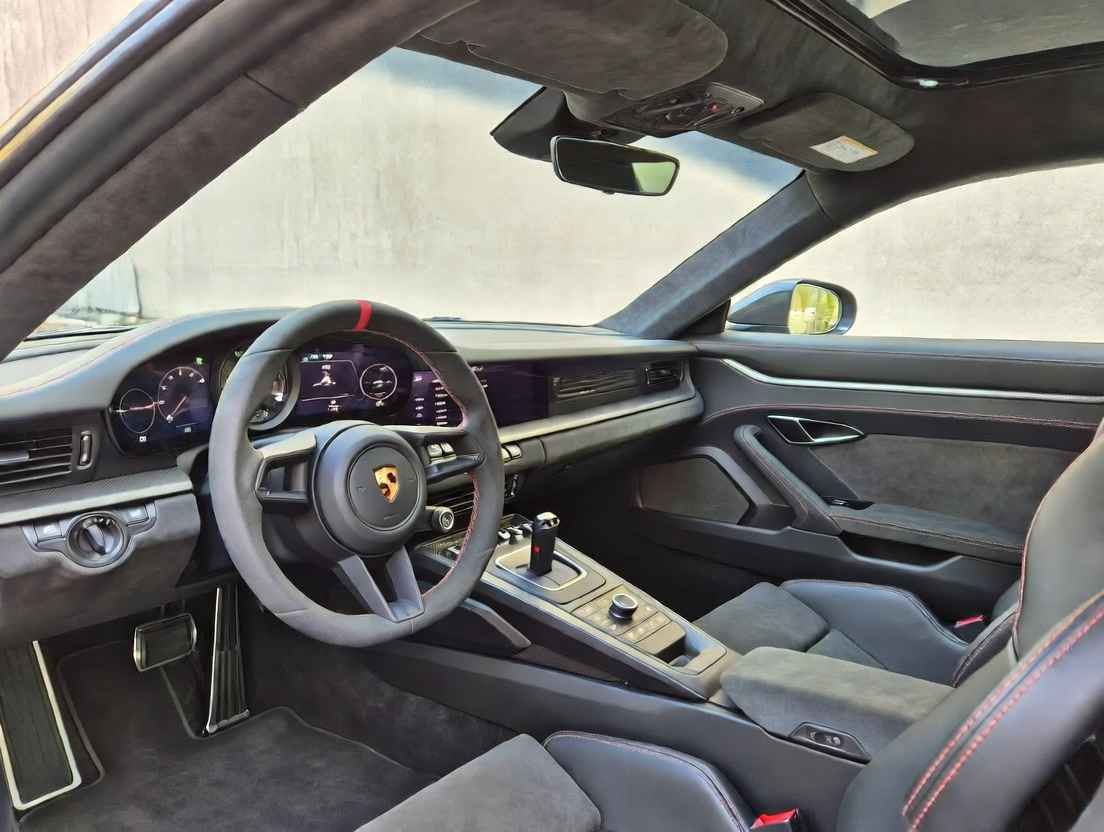
It has lightweight bucket seats (carbon optional), a roll cage option, Alcantara everywhere, and not much sound deadening so the engine can scream.
It's surprisingly useful in the US—it's firm but not too hard on highways, and it has Apple CarPlay, navigation, and good storage. Most people don't drive it every day, but fans drive it thousands of miles without any problems.
Pros and Cons
Pros:
Crazy high-revving engine sound and response
A lot of downforce and grip for tracks in the US
Handling that is precise and clear
Strong appeal for collectors and resale
Cons:
A very hard ride on bumpy roads
Long wait times and high prices
No stick shift
The cabin is loud for long drives.
Final Decision: Is the 2026 Porsche 911 GT3 RS Worth It in the US?
Yes, for serious track fans in the US. The 2026 Porsche 911 GT3 RS is the best naturally aspirated performance car because it is raw, focused, and fun to drive. It makes good drivers great and rewards skill with speed.
Put your name on the list if you want to hear that famous flat-six howl, get involved with the driver, and get lap times. The GT3 RS reminds us why Porsche still rules the track, even though it's not cheap.
What do you think? Should we get the GT3 RS or something else in 2026? Leave your thoughts below!
Comments
Post a Comment